
(Disclaimer: This post may contain affiliate links, which means we may receive a small commission at no extra cost to you.)
Last Updated on February 15, 2026 by sydabroad
Looking for some helpful tips to prevent altitude sickness in Cusco? Then keep reading!
I recently got back from a trip to Peru with EF Ultimate Break (if you’re curious about their group trips, you can read more about them here), and I visited Lima, Cusco, the Sacred Valley, and, of course, Machu Picchu. One thing I was super nervous about when planning this trip was Cusco’s altitude and how to avoid altitude sickness.
Because, let me tell you — altitude sickness is no joke. It basically happens when your body doesn’t get enough oxygen due to being at a high elevation. It typically occurs above 8,000 feet (2,500 meters).
I’ve experienced altitude sickness a couple of times, the worst being during a hike outside of Antigua, Guatemala. Which, funny enough, Cusco actually really reminded me of the cute colonial town of Antigua. They felt so similar. Anyways, altitude sickness is not fun.
So, do you need altitude sickness tablets for Cusco? No, not everyone needs altitude sickness tablets for Cusco. In this guide, I’m sharing a bit about my experience and how to avoid altitude sickness, plus everything I learned about how to prevent it and prepare for Peru’s incredible hikes. You’ll want to feel your best to enjoy these breathtaking places fully.
When I visited Peru on a group trip, we had the most amazing local guide who taught us how to adjust to Cusco’s high altitude and avoid getting sick. So, I’m also passing along her best tips to help you feel prepared and ready to explore this lovely city.
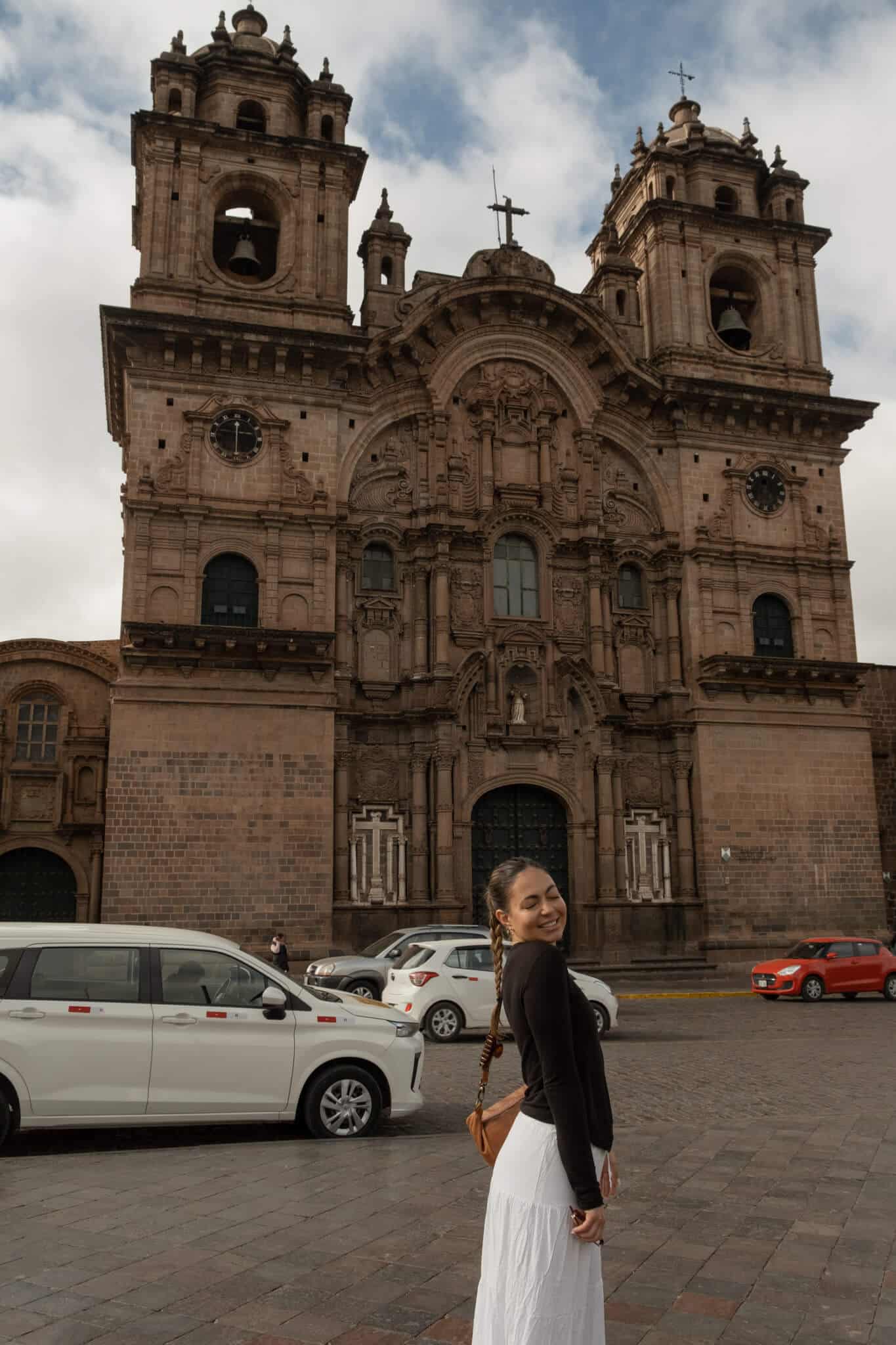
Alright, let’s get into how to avoid altitude sickness in Cusco!
Looking for more Peru guides?
What to Know about Cusco’s Elevation
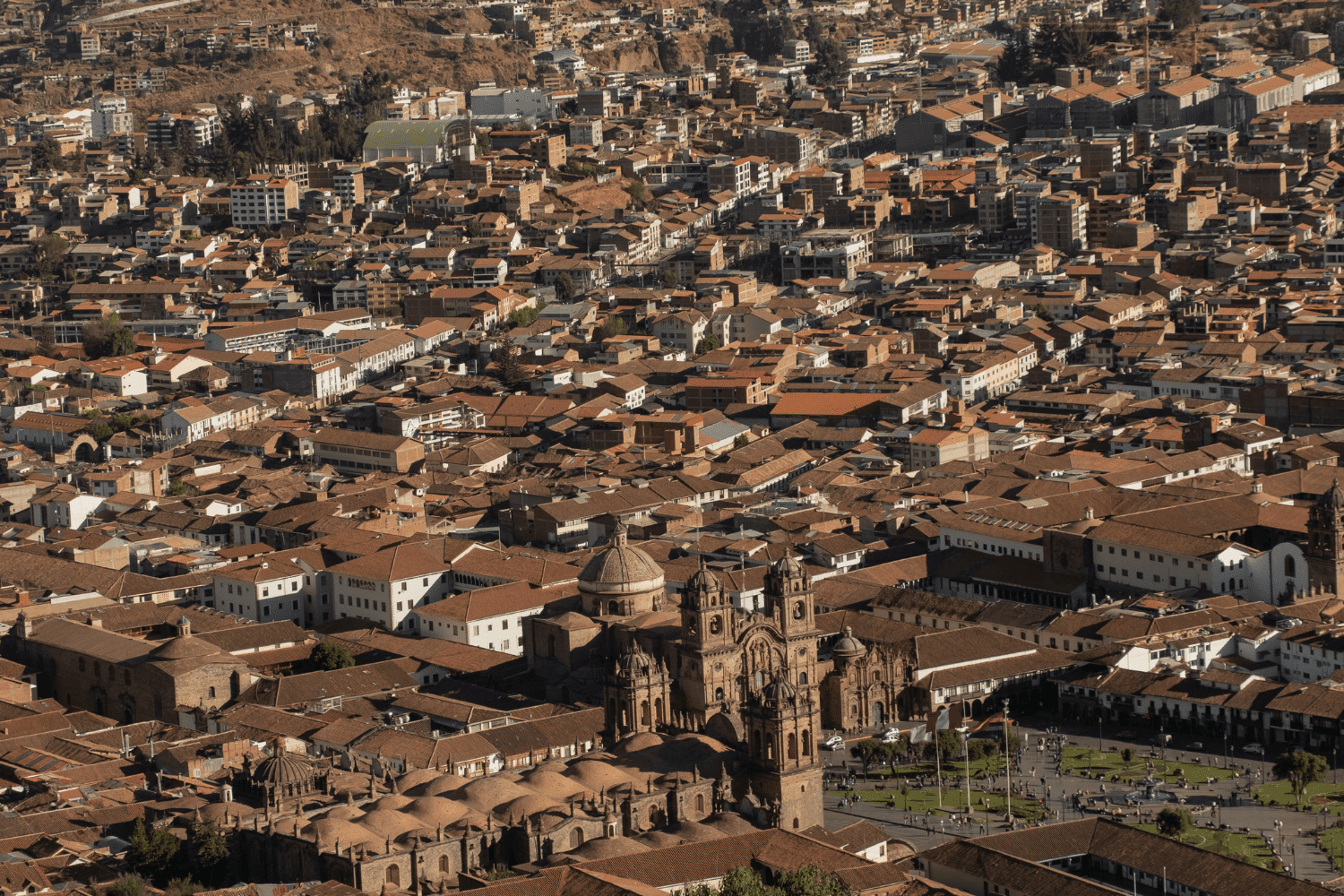
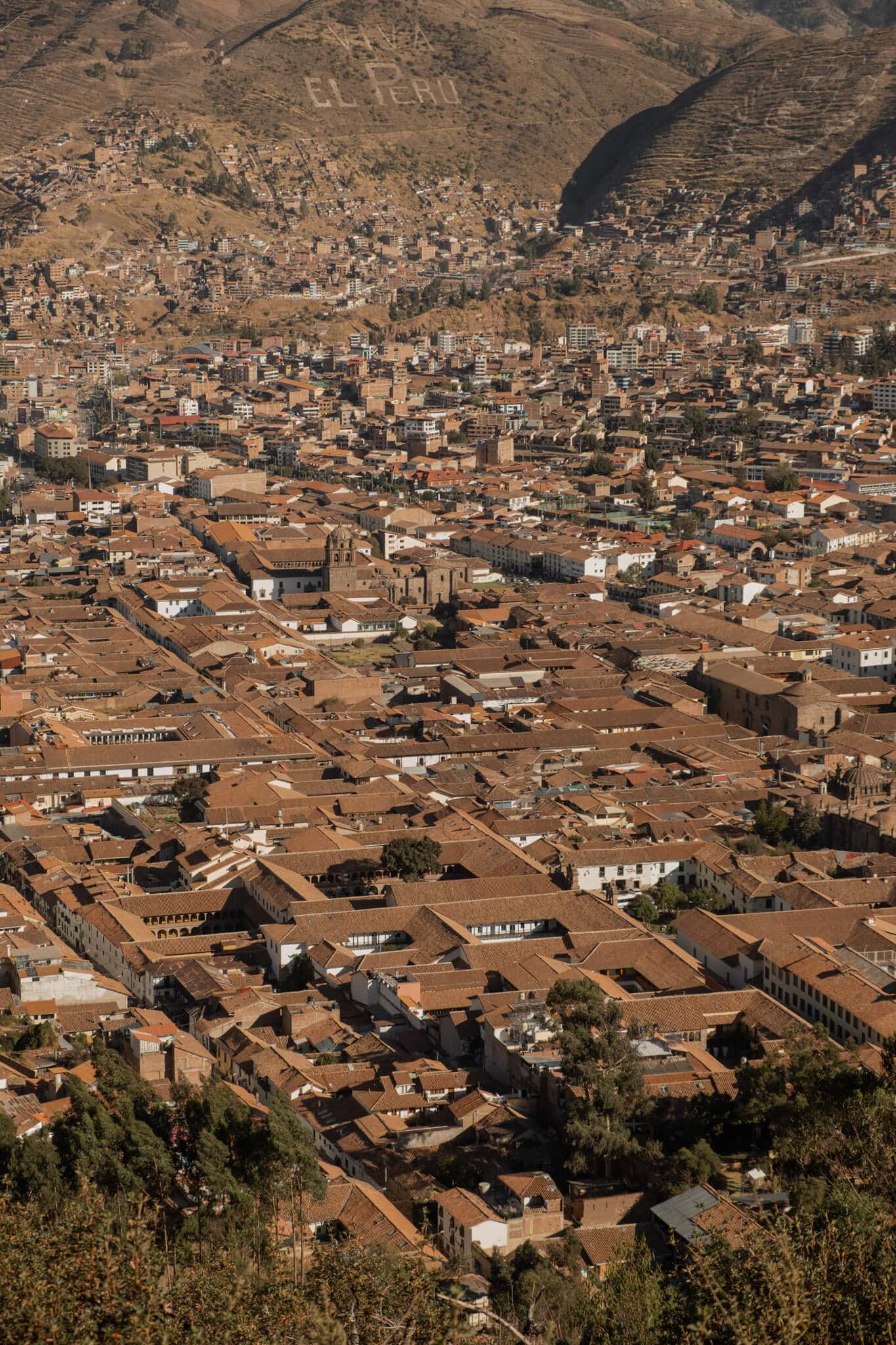
Alright, let’s talk about Cusco’s elevation — because it’s high. The city sits at an elevation of 11,152 feet (3,400 meters) above sea level, nestled in the Andes Mountains. Because the city is so high, the air is thinner and contains less oxygen, which is why many travelers feel some sort of altitude sickness when they arrive.
For perspective, Cusco is higher than most major cities in the world. A few that come close include Mexico City, Mexico; La Paz, Bolivia; Quito, Ecuador; and Arequipa, Peru.
Short on time? Here is everything you need to plan your trip to Cusco
🏠Book accommodation in Cusco via Booking.com and Hostelworld
✈️Book flights to Cusco on Skyscanner
🏔️Find activities and tours for Cusco via Get Your Guide and Viator
👩🏽💻Get travel insurance for your trip to Cusco through SafetyWing
🚌Find trains and buses for your trip to Cusco with Omio and Trainline
📱Access the internet anywhere in Cusco with Airalo
💭Find more travel recommendations for Cusco on the Out Of Office app
🚘Rent a car in Cusco with Rentalcars.com
🌎Looking to join a group trip? Search tours with EF Ultimate Break
The different Altitudes in Peru
Peru is a country of dramatic elevation changes, and knowing the altitudes of the places you plan to visit is key to avoiding altitude sickness. When you are up in the mountains, giving your body time to acclimate is essential for staying healthy and enjoying your trip.
For example, Lima, Peru’s capital city, sits on the coast at sea level, so there’s no altitude to worry about there. In contrast, Cusco sits at over 11,000 feet, while Machu Picchu is lower, at around 7,940 feet. The difference is that if you spend a couple of days in Cusco before hiking Machu Picchu, your body will be better acclimated, making your time here much more enjoyable.
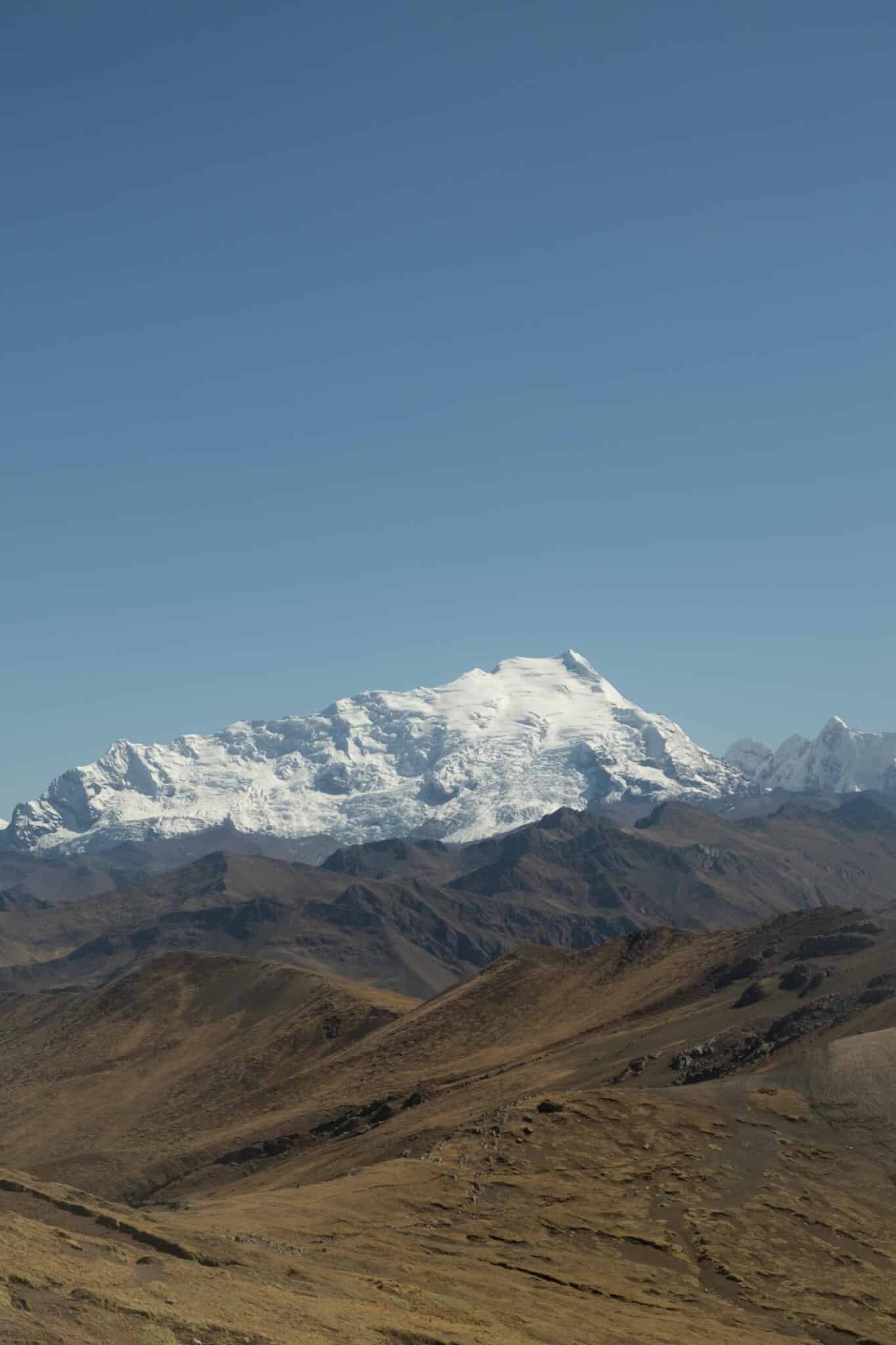
If you’re planning to do hikes like the famous Rainbow Mountain or Palcayo Mountain, be prepared — they reach around 15,000 to 17,000 feet (4,500-5,000 meters), which is similar to the elevation at Everest Base Camp! So yeah, at these heights it’s important to prepare your body. Attempting these hikes without preparation can lead to serious altitude sickness, so plan carefully and stay hydrated!
What is altitude sickness?
Altitude sickness, also called acute mountain sickness (AMS), affects most travelers when they reach elevations above 8,000 feet. It happens because your body isn’t getting enough oxygen at high altitudes. This can lead to feeling lightheaded, tired, or nauseous.
Typically, altitude sickness is mild and improves as your body gradually acclimates. However, in rare cases, altitude sickness can become more severe and require medical attention. That’s why it’s important to take it seriously and prepare properly—especially in places like Cusco. If severe altitude sickness hits, you won’t have the energy to enjoy the city or amazing hikes nearby.
Recognizing the Symptoms of Altitude Sickness
The symptoms of altitude sickness can vary from person to person. But common symptoms include:
- Nausea
- Dizziness or lightheadedness
- Headaches
- Stomach pain
- Fatigue or weakness
- Shortness of breath
- Difficulty sleeping
- Loss of appetite
- Vomiting
From my experience, I did feel altitude sickness in Cusco, but luckily it was mild because I had prepared as best I could. I noticed the high elevation immediately upon getting off the plane, and even the pressure caused some of the bottles in my bag to almost pop.
I experienced shortness of breath, a bit of a stomachache, less of an appetite, and a headache. My sleep also wasn’t the best the first night in Cusco. Thankfully, after about 24 hours, my body started adjusting, and I felt a lot better.
Practical tips for acclimatizing to Cusco’s Altitude
1. Drink plenty of Water
Okay, first things first, hydrate! Our wonderful tour guide recommended starting to drink more water than usual about five days before arriving in Cusco. Electrolytes will really help too. Try to take one electrolyte packet every day beginning 5 days before your trip.
I love the LMNT electrolytes, you can buy them here🍉💦
2. Ascend gradually
When planning your itinerary, try to spend a day or two at a slightly lower elevation— like the Sacred Valley or Arequipa — before heading up to Cusco. This will give your body time to adjust.
I went straight from Lima to Cusco, and it was quite the jump in elevation. I did end up being fine, but I’m sure my altitude sickness symptoms would have been better if I had done the Sacred Valley before Cusco. Just consider this when planning your Peru itinerary.
3. Limit alcohol and caffeine
If you can, try to stay away from alcohol and caffeine on your first day in Cusco. Avoid heavy drinking for about 3 days leading up to your trip. This certainly helps minimize altitude sickness. I will say I did have a coffee and maybe a Pisco Sour, and I was fine… but moderation is key!
4. Take it easy
When planning your Cusco itinerary, don’t do any intense hikes or heavy sightseeing right away. Give your body time to relax and get acclimated so that you can fully enjoy the city. Save the hikes and the busy sightseeing for at least the second or third day.
5. Try coca tea!
Coca tea or mate de coca is made from coca leaves and can help reduce mild symptoms of altitude sickness in Cusco. The locals swear by it.
Honestly, the tea tastes quite good, and regardless, tea is always good for hydration and upset stomachs, so it definitely won’t hurt. I had it a few times and enjoyed it!
6. Eat light meals
At higher altitudes, your digestion slows, which is why you may not be as hungry as usual. Opt for light meals like salads, soups, fruits, or an empanada. Empanadas are so common in this region of Peru, and they are the perfect little snack — I had so many during my trip!
Preparing for your trip to Cusco
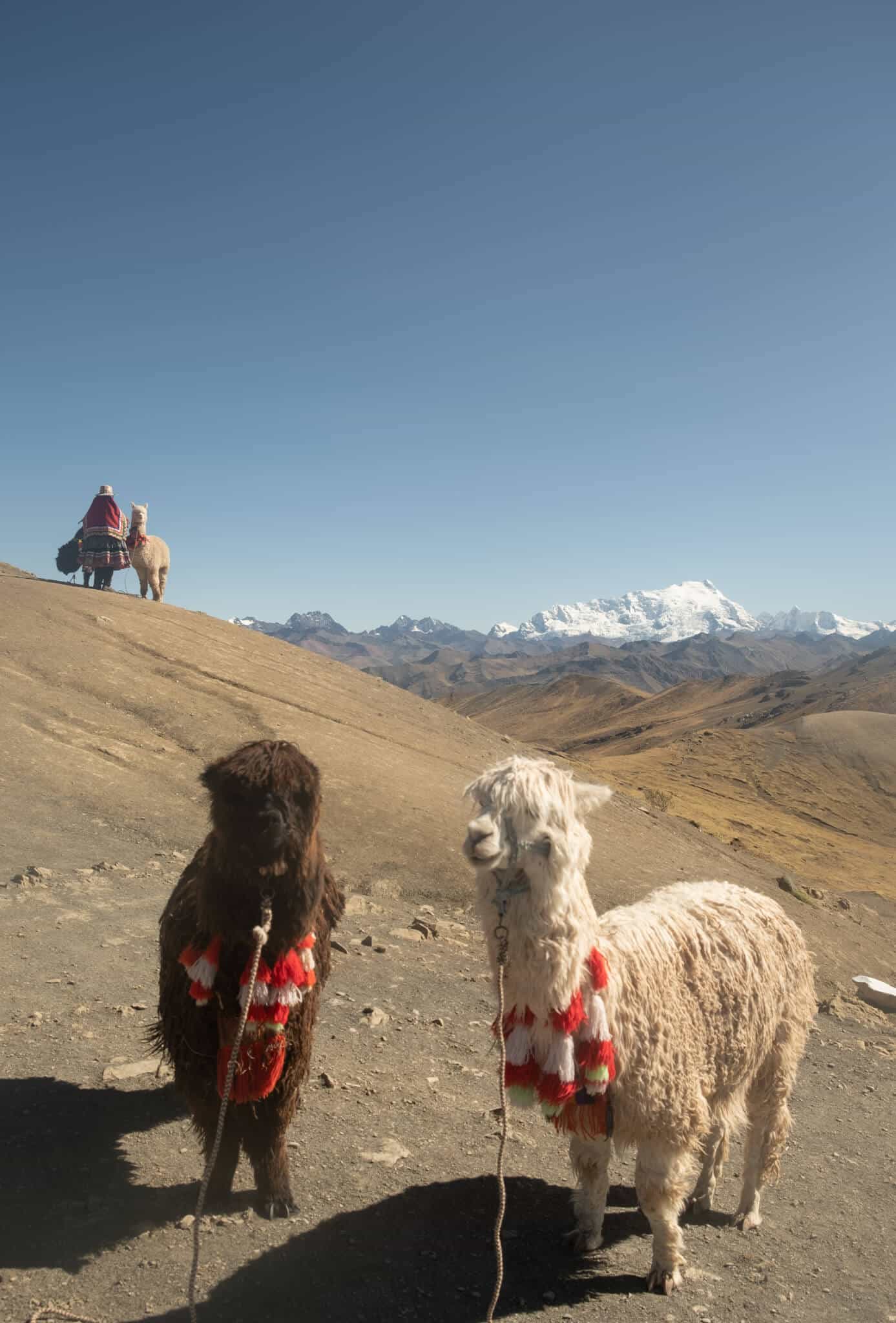
If you want to have the best time during your trip to Cusco, here are some things I suggest taking into consideration! First off, plan your trip accordingly — don’t go straight to Rainbow Mountain right after arriving. Give your body time to adjust before heading to super high elevation.
Even flying from Lima to Cusco is a big jump in elevation; you’re going from sea level to over 11,000 feet. It’s a common route (and it’s what I did), but if you want to be extra careful with altitude in Peru, consider spending a night in the Sacred Valley before heading to Cusco. Towns like Urubamba or Ollantaytambo are great options since they sit about 600 to 800 meters lower than Cusco.
Also, make sure to pack plenty of electrolytes and bring a refillable water bottle, because you’ll need to stay hydrated. One thing I debated before my trip was whether or not to get altitude sickness pills. I didn’t end up getting them because I didn’t have time to visit a doctor beforehand, and in most places you’ll need a prescription. However, you can buy over-the-counter altitude pills in many cities throughout Peru.
They’re quite common among tourists, and I had originally planned to grab some once I landed in Lima. Now, I’m obviously not a doctor, so take this with a grain of salt — but our tour guide mentioned that in most cases, you don’t really need the pills. As long as you stay properly hydrated and take it slow, your body will naturally acclimate to Cusco’s altitude.
I’ve heard mixed reviews from travelers who take these; some say the pills don’t do much and are a bit of a tourist trap, while others swear by them. Some people mention the side effects being worse than the actual altitude symptoms for some people. If you’re considering taking them, chat with your doctor beforehand. (Also know that they are sold in Peru under the name Sorojchi pills.
Travel Insurance
Travel medical insurance is essential for every trip. This can save you time, money, and a lot of stress on the road. I love using SafetyWing for travel insurance. SafetyWing offers affordable and flexible travel medical insurance coverage. You can enter your details below for a free quote.
Advice for future travelers to Cusco
Okay, you might be worried about altitude sickness in Cusco — especially if you’ve had it before — but if you prepare your body, you will be fine. Give yourself grace and just know it’s completely normal to feel a bit lightheaded or tired during your first couple of days.
Cusco is a city straight out of a storybook, think cobblestone streets, colorful markets, and layers of rich Incan history around every corner. With a bit of planning, you’ll be able to enjoy it all without feeling run down.
So, my best advice? Stay hydrated and drink electrolytes daily. I swear by LMNT — it works like a charm and I use it regularly even when I’m not traveling. I also brought chlorophyll drops and added them to my water each day.
I can’t say for sure if they made a difference, but I felt great most of the time, so they definitely didn’t hurt! I picked mine up from Whole Foods, but you can easily find them on Amazon or at most pharmacies and grocery stores.
Definitely try coca tea; it’s a local staple and is said to help with altitude. And while you should take it easy on your first day or two, don’t forget to enjoy yourself! Treat yourself to a pisco sour, Peru’s national cocktail (and my new fav drink)! Also, just a heads up, the altitude hits harder than you think. I really felt it only after one cocktail, so pace yourself.
FAQs about altitude sickness in Cusco
What should I do if I have altitude sickness?
If you start having mild symptoms like a headache, shortness of breath, or start feeling lightheaded, don’t panic because this is normal. The best thing you can do is rest, hydrate, and avoid alcohol. Drink lotsss of tea or water, and some hotels even offer oxygen if you need it.
Like I mentioned above, local pharmacies sell medications to help with the symptoms, but obviously, this is up to you to decide, and you can chat with a doctor if you want. If your symptoms don’t improve or get worse after a couple of days, you can see a doctor or visit a local clinic.
How long does it take to adjust to Cusco’s altitude?
This depends on your body, but most travelers will start feeling better after two to three days. I started to feel much better on my second day in Cusco, but I definitely still felt the shortness of breath the entire time. Walking down the street and holding a conversation was much more work at this high elevation, let me tell you.
Is Machu Picchu bad for altitude sickness?
Actually, no, it’s not. Since Machu Picchu sits at a lower elevation than Cusco (2,430 meters), most people will start to feel better once they get to Machu Picchu. The first couple of days in Cusco are the hardest.
During my time in the mountains in Peru, I think I actually felt the best during my time in Machu Picchu. Now, I didn’t trek the Inca trail; I did take the train, so it’s not like I did any intense hiking. Although I did hike down from Machu Picchu back to Aguas Calientes (Machu Picchu Town), and I didn’t feel too bad after this.
Do you need altitude sickness tablets for Cusco?
No, not everyone needs altitude sickness tablets for Cusco. As mentioned above, some travelers will take Diamox (acetazolamide) before and during their trip to help their bodies adjust faster. This is entirely up to you, and if you have had problems with altitude in the past, then you can chat with your doctor about it.
At what height does altitude sickness start
Typically, most people will start to feel altitude sickness at around 8,200 feet (or 2,500 meters). Since Cusco is at 3,400 meters, many travelers will feel at least mild symptoms.
I have traveled to Mexico City a few times, which is close to 8,000 feet, and didn’t experience symptoms. However, I felt it was pretty bad hiking Acatenango in Guatemala, so it really just depends on the person.
What is the Machu Picchu elevation?
Machu Picchu sits at an elevation of 2,430 meters (7,970 feet) above sea level. It’s actually much lower than Cusco, which is why many travelers feel better once they get there.
I had no idea that Machu Picchu sits so much lower than Cusco before I visited Peru. So that was a nice surprise!
What percentage of people get altitude sickness in Cusco?
It varies, but 50% of travelers will experience at least mild symptoms of altitude sickness when they arrive in Cusco. Only a small percentage develop more severe symptoms. As long as you drink plenty of water and electrolytes and take it slow. You’ll be fine.
How long does altitude sickness last?
Mild symptoms usually last 24 to 48 hours as your body adjusts. Once you acclimate, you should feel fine for the rest of your trip. However, if you start to feel worse, you should try to see a doctor because in really severe cases of altitude sickness, you won’t start feeling better until you go back to a lower elevation.
I hope this helped you plan your trip to Cusco! Altitude sickness in Cusco really is something you want to avoid at all costs so that you can enjoy your time in this lovely city. If you have any questions about planning your trip to Cusco, comment before or DM me on Instagram!
Recommended Tours in Cusco
Like this post? Pin it to save for later!
Want to Support?
I always appreciate it when friends and family reach out wanting to support Syd Abroad. If you’d like to support the blog, here are a few brands that I am affiliated with. All you do is click the links, and I will receive a small commission at no extra cost to you!