
(Disclaimer: This post may contain affiliate links, which means we may receive a small commission at no extra cost to you.)
Last Updated on February 15, 2026 by sydabroad
Planning a 10-day trip to Peru? Then keep reading!
Alright, whether you’re planning 10 days in Peru or have a few extra weeks to explore, this guide will help you plan an unforgettable trip.
If Peru has been on your bucket list, this 10-day Peru itinerary is for you. While this post is designed around a 10-day trip, it can easily be adjusted if you’re spending one week in Peru or stretching your travels into a longer Peru travel itinerary. Think of this as a flexible guide covering the highlights, logistics, and everything I wish I knew before going.
I traveled to Peru with EF Ultimate Break and visited some of the country’s most iconic destinations like Lima, Cusco, the Sacred Valley, and, of course, Machu Picchu, which was (obviously) a highlight. While I would have loved more than 10 days in Peru, we managed to pack a lot into our time there.
If you’re looking for a realistic, well-paced Peru trip itinerary that balances culture, food, history, and bucket list experiences, keep reading!
Looking for more South America guides?
- Altitude Sickness in Cusco | Prevention & Helpful Tips
- EF Tour Peru: My Honest Review + Trip Highlights
- Medellin Itinerary: How to Spend 1 to 3 Days in Medellin, Colombia
Peru Travel Itinerary | The Basics
Currency = Peruvian Sol (PEN)
1 USD ≈ 3.35 Sol
Credit cards are widely accepted in places like Lima and Cusco, especially at hotels, restaurants, and shops. That said, you’ll absolutely want cash for smaller towns, tipping, taxis, and local markets.
I recommend withdrawing cash from an ATM when you land at the airport. You’ll also find ATMs throughout major cities if you end up needing more cash.
One thing I wasn’t prepared for, especially while traveling on a group tour, was how much tipping came up. I’ll get into tipping culture more below, but just know that you’ll need small bills and exact cash, which can be tricky if you’re not planning ahead. Keep this in mind when budgeting for your Peru itinerary.
Language = Spanish
The official language of Peru is Spanish.
In tourist-heavy areas like Lima, Cusco, and the Sacred Valley, you’ll find people who speak English — but that’s not the case everywhere. After visiting 50+ countries, I can confidently say that South America has one of the toughest language barriers if you don’t speak the local language.
There were quite a few moments where I had to pull out Google Translate in shops or smaller towns. This is actually one reason I was really glad to be on a group tour — getting around on your own without strong Spanish can be challenging.
I also feel like, because Spanish is one of the most widely spoken languages in the world, there’s often an expectation that visitors will understand it (which is fair — it’s pretty much how the U.S. operates, too). I experienced this even more when traveling in Colombia.
So if you’re planning a trip to Peru, brush up on your Spanish beforehand. Apps like Duolingo or Rosetta Stone are great for learning the basics and will make your trip much smoother.
Phone & Internet in Peru
Phone service and internet quality in Peru really depend on where you are.
In major cities like Lima and Cusco, mobile data is generally reliable, and most hotels, cafes, and restaurants offer Wi-Fi. However, once you’re hiking or road-tripping through the mountains, don’t expect great service.
I always recommend purchasing an eSIM before traveling and activating it once you land. I used Airalo in Peru and had a great experience. It’s super easy and no need to swap physical SIM cards.
Daily Budget in Peru
I’ll be honest — Peru wasn’t quite as cheap as I expected, but that was mostly because I ate out at nicer restaurants more often than planned. Overall, Peru is still considered a very affordable destination, especially compared to the U.S. or Europe.
Here’s a rough daily budget breakdown for a Peru travel itinerary:
- Backpacker budget: $30–$50 USD per day
- Mid-range traveler: $50–$80 USD per day
- Luxury/boutique traveler: $100–$150+ USD per day
Your costs will depend heavily on your travel style. If you stay in hostels, eat street food, take public transport, and focus on low-cost activities, you can travel in Peru very affordably. If you prefer boutique hotels, sit-down restaurants, cocktails, and guided tours, the costs will add up quickly.
That said, even at a higher budget, Peru is still much more affordable than traveling through most of Europe or the U.S.
Tipping in Peru
Tipping in Peru isn’t mandatory, but it does come up, especially in tourist areas. I found myself tipping more than expected, mainly because tipping is encouraged in certain situations and wages are relatively low.
Since I was on a group tour, our guide would usually let us know when tipping was expected — for example, for bus drivers and local guides. At restaurants and cafes, tipping isn’t as common as in the U.S.
Locals often don’t tip or simply round up the bill. If you receive good service, a 5–10% tip is appreciated. Always check your bill first; some places include a “servicio” (service charge).
Where tipping really adds up is with tour guides and drivers, especially on day tours and multi-day excursions. Having small bills on hand makes this much easier.
Short on time? Here is everything you need to plan your trip to Peru
🏠Book accommodation in Peru via Booking.com and Hostelworld
✈️Book flights to Peru on Skyscanner
🏔️Find activities and tours for Peru via Get Your Guide and Viator
👩🏽💻Get travel insurance for your trip to Peru through SafetyWing
🚌Find trains and buses for your trip to Peru with Omio and Trainline
📱Access the internet anywhere in Peru with Airalo
💭Find more travel recommendations for Peru on the Out Of Office app
🚘Rent a car in Peru with Rentalcars.com
🌎Looking to join a group trip? Search tours with EF Ultimate Break
When is the best time to visit Peru?
The best time to visit Peru really depends on what you want to do and where you’re going, but generally speaking, the dry season (May–September) is considered the perfect time to visit Peru. Especially if Machu Picchu is on your list.
I visited Peru in late August, which is winter in the Southern Hemisphere, and it was absolutely amazing. We had pretty much perfect weather the entire trip. Lima was mild and comfortable, while Cusco and the Sacred Valley were sunny and dry; the best for sightseeing and exploring.
The weather is important to consider when planning a visit to Machu Picchu. You’ve probably seen photos where the entire site is hidden behind clouds or heavy rain, and unfortunately, that does happen, particularly during the wet season. If visibility is high on your priority list, plan your visit to Peru during the dry season.
We got incredibly lucky with clear skies and perfect views on both days at Machu Picchu, which made the experience even more unforgettable. If you’re planning a 10 day Peru itinerary and want the best chance of good weather, late winter and early spring are hard to beat.
The Ultimate 10 Day Peru Trip Itinerary
This 10 day Peru itinerary covers the country’s highlights, from the coastal capital of Lima to the Andes mountains, the Sacred Valley, and one of the most iconic landmarks in the world, Machu Picchu. It’s fast-paced but realistic if you’re short on time and want to see the best of Peru.
Day 1: Fly to Lima
Your Peru trip will begin in Lima, the capital city and main international gateway into the country. Lima is located on the coast, known for its fresh seafood (especially ceviche), surfing, and colonial history. After arriving, spend the day settling in, exploring your neighborhood, and easing into the culture.
Where to Stay in Lima
I highly recommend staying in Miraflores, one of the best areas in Lima for travelers. Miraflores is located right along the coast, and it’s a safe and walkable area. There are also plenty of cafes, restaurants, shopping, and parks nearby.
I stayed at the Holiday Inn Miraflores, and honestly, it was the nicest Holiday Inn I’ve ever stayed at. Super comfortable, modern, and perfectly located.
If you’re looking for a more boutique or luxury stay, check out:
- Miraflores Park Hotel | Check availability here.
- JW Marriott Lima | Check availability here.
- SOUMA Lima | Check availability here.
Day 2: Sightseeing in Lima
Today is a full day of sightseeing, so grab an early breakfast and wear comfortable walking shoes. You’ll explore both Lima’s historic center and its modern, coastal neighborhoods.
Morning: Miraflores
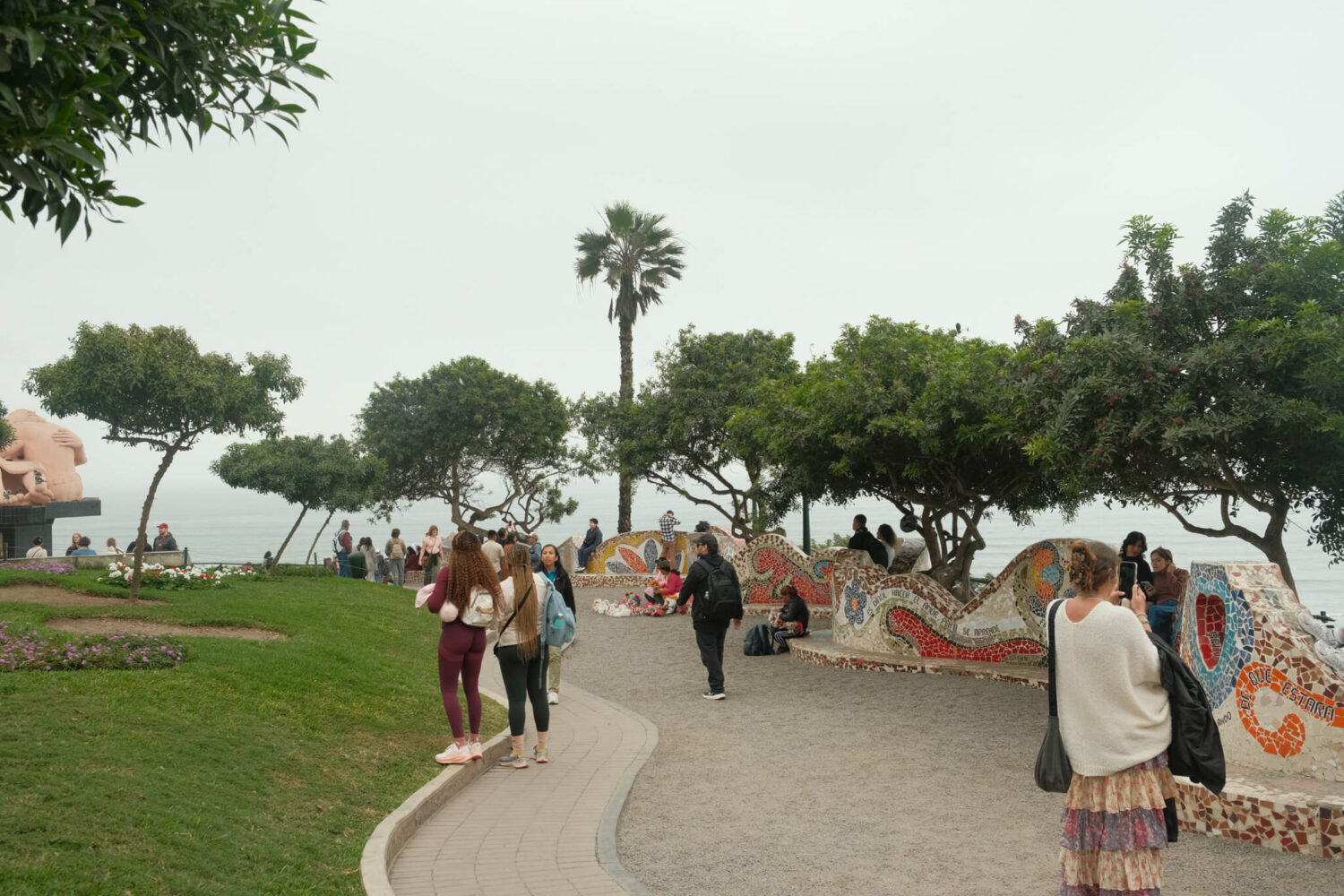
Start your day at Parque del Amor (Love Park) in Miraflores. This park overlooks the ocean and is known for its colorful mosaic walls and sculptures. You can watch surfers below and take in the coastal views — the tilework honestly reminds me so much of Park Güell in Barcelona.
Midday: Historic Lima
Next, head to Plaza de Armas, the heart of Lima, which was founded in 1535. Here you’ll see the iconic Lima Cathedral, the Government Palace, and beautiful examples of Spanish colonial architecture.
From there, visit the Church and Convent of San Francisco, a 16th-century complex famous for its intricate wooden ceilings and underground catacombs, where thousands of human bones are displayed.
Lunch
Make sure you try ceviche and a pisco sour, some of Peru’s national dishes. Here are some great places to try Ceviche in Lima:
- Cevichería Barra Maretazo
- La Mar Cevichería Peruana
- Punta Azul
- Ceviche House
Afternoon: Barranco
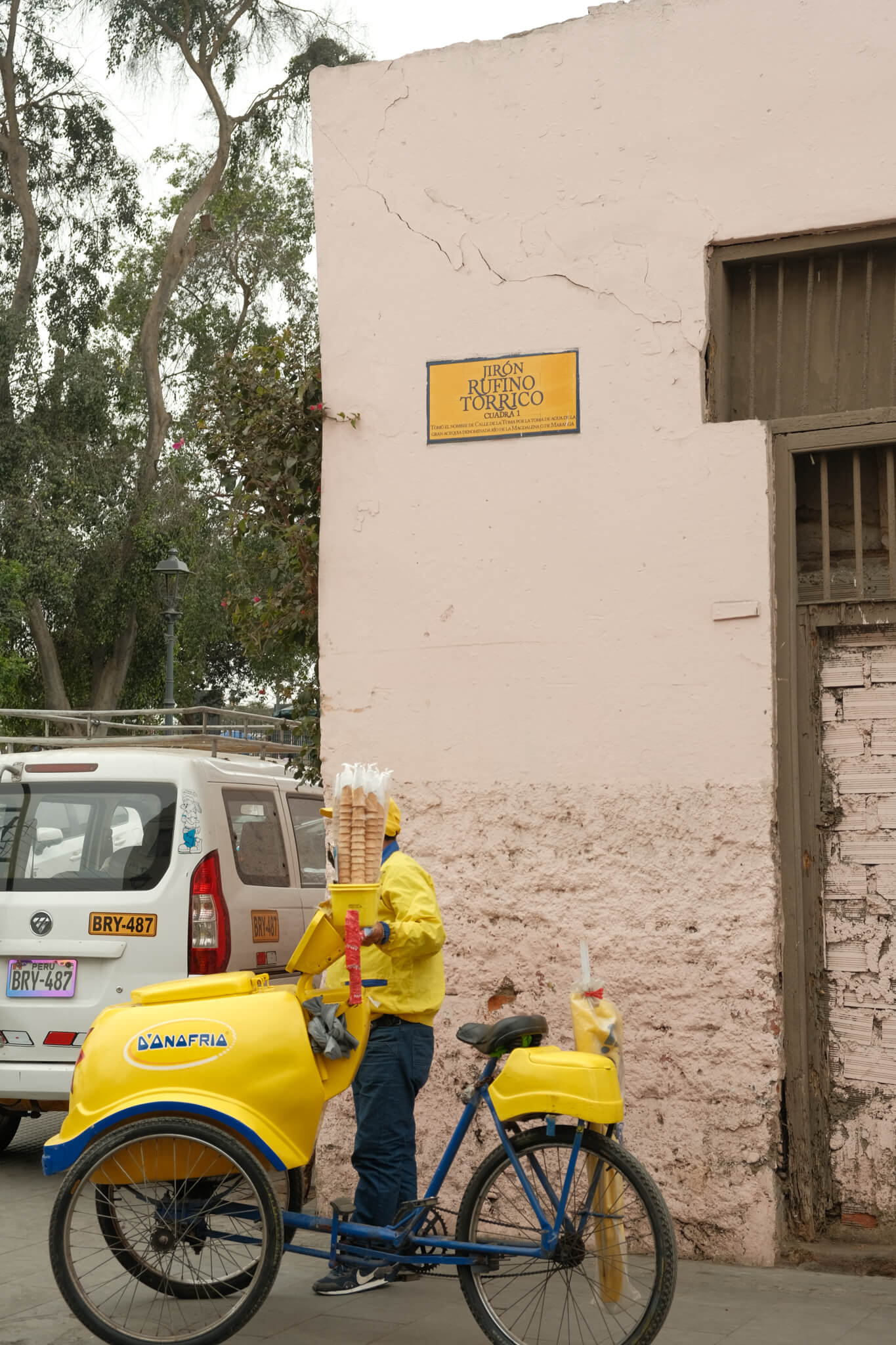
Spend the afternoon wandering Barranco, Lima’s bohemian neighborhood. You’ll find colorful streets, colonial houses, street art, cute cafes, and boutique shops.
Grab an afternoon coffee at one of Barranco’s cafes.
Evening
End the day with dinner in Miraflores or Barranco. Both neighborhoods have incredible restaurants and a great evening atmosphere.
Optional: If you want more of a guided experience in Lima, check out a city tour like this one, which is offered through GetYourGuide. It’s 4 hours long, and you’ll have a local guide to take you through the Historic Center, Love Park, the Catacombs, and more. Book your city tour here. 🇵🇪
Day 3: Travel to Cusco
Welcome to Cusco, the former capital of the Inca Empire and one of the most important cities in Peru. Cusco sits at approximately 11,150 feet (3,400 meters) above sea level, and you’ll definitely feel the altitude coming from Lima (which is at sea level).
I felt it immediately; the air felt much thinner up here. Take it easy once you land and start hydrating.
Altitude Tip
Altitude sickness is something you should take seriously when visiting Cusco and the Sacred Valley. Take it slow, drink plenty of water, avoid alcohol on your first day, and listen to your body.
(I have a full guide on avoiding altitude sickness here)
I suggest spending your first day in Cusco slowly acclimating to the high elevation. You should grab a meal when you land (sometimes the altitude suppresses your appetite, so it’s important to eat something. You should explore the nearby plazas and cobblestone streets.
It’s best to stay awake even if you feel like taking a nap so you can best be acclimated to the altitude. But make sure you don’t overdo it. This is a great time to do some shopping ¸— and trust me, you’ll love the shopping here. It’s seriously some of the best.
Check out the cute little shops in Plaza de Armas. You can also visit San Pedro Market and San Blas Market to pick up handicraft souvenirs from local artisans. Make sure you have small bills, and you can negotiate prices depending on the place
Day 4: Sightseeing in Cusco
Alright, today is a full day of exploring one of the most beautiful cities in South America. Put on some layers, comfy shoes, and get ready to explore.
Morning
Start your day in Cusco with coffee. Cusco has an amazing cafe scene. Three Monkeys Coffee was my favorite and is consistently ranked among the best coffee shops in the world.
Plaza de Armas & Historic Sites
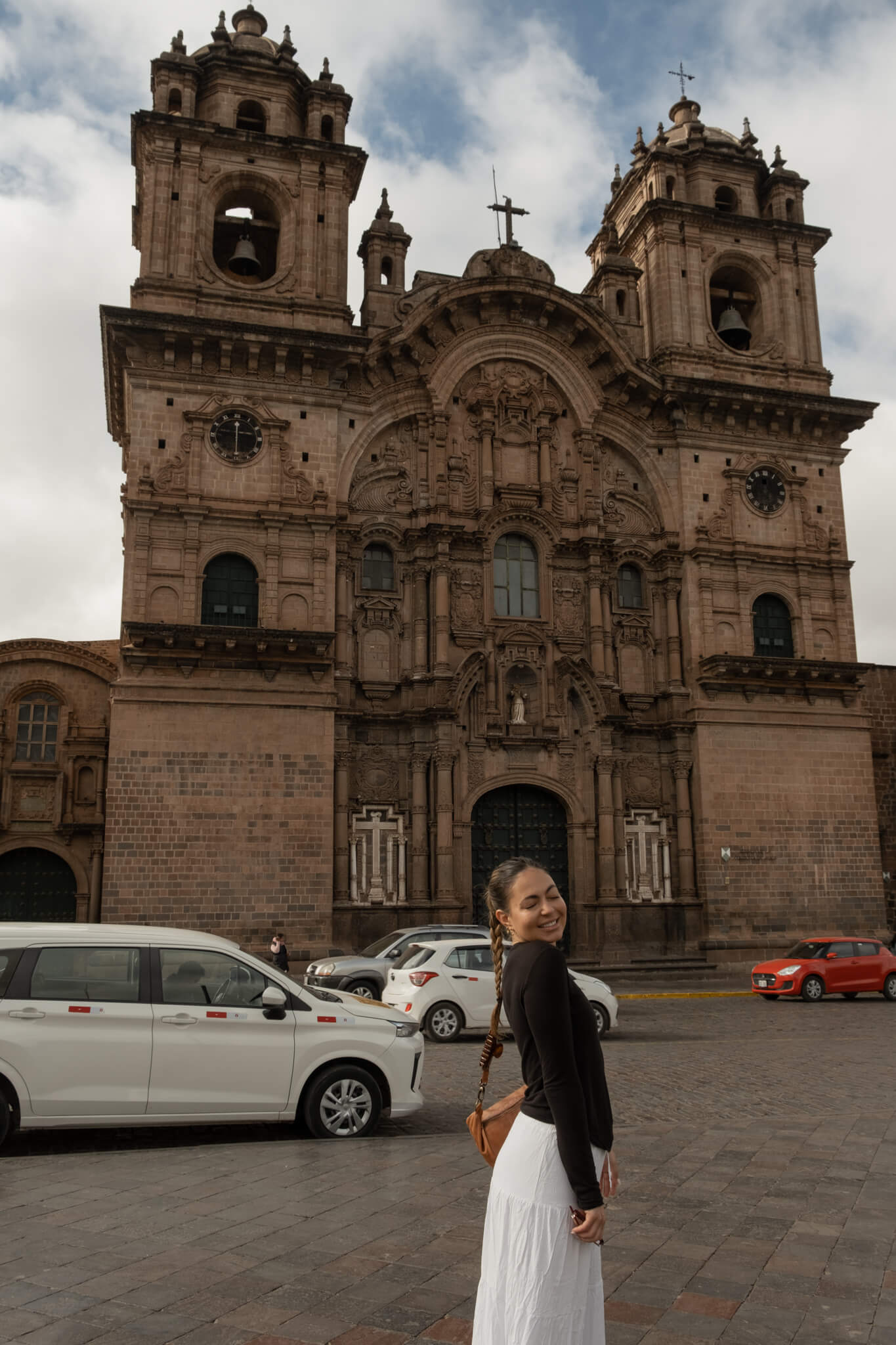
Begin at Plaza de Armas, the heart of Cusco. Here you’ll see:
- Cusco Cathedral
- Church of La Compañía de Jesús
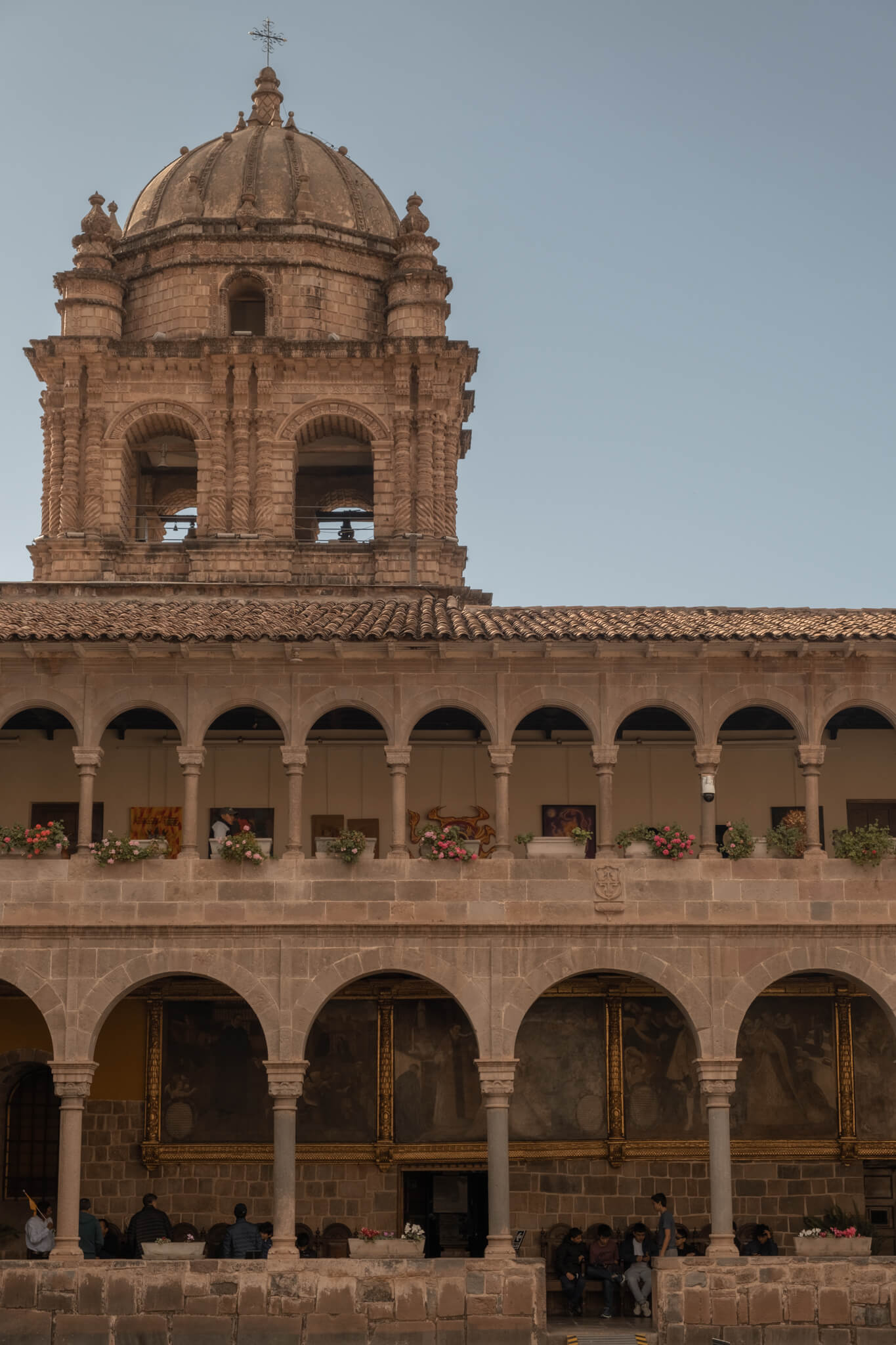
Next, visit Qorikancha (Temple of the Sun) — one of the most important Inca sites in the city. It perfectly showcases the contrast between Inca stonework and Spanish colonial architecture, built directly on top of it.
There are lots of guided tour options in Cusco on GetYourGuide! This half-day city tour around Cusco is great for those wanting a structured, educational experience. Book your Cusco city tour here!
Sunset at Cristo Blanco
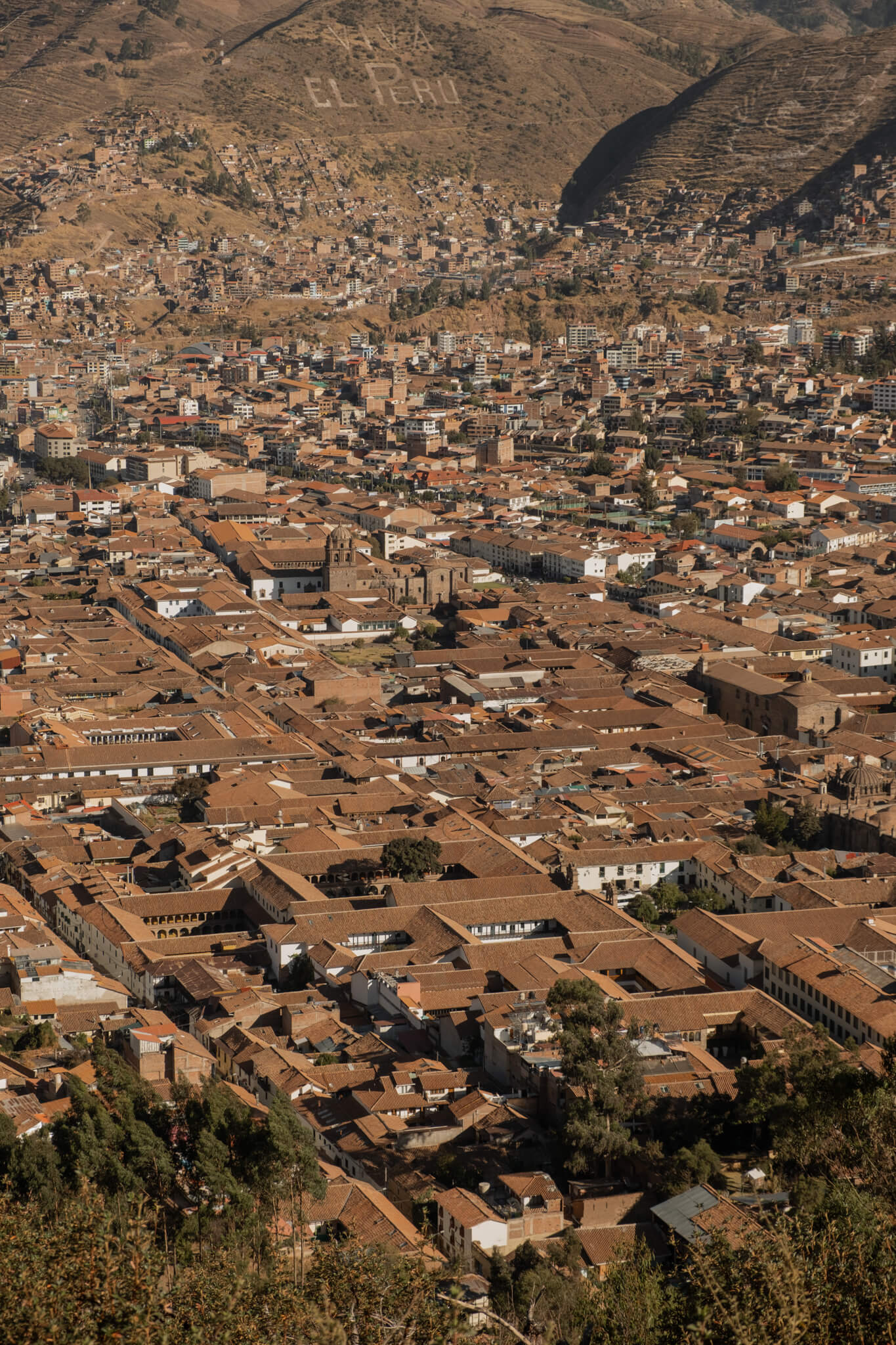
One of the best viewpoints in Cusco is Cristo Blanco, which overlooks the entire city and the Andes mountains. It’s an incredible sunset spot and perfect for photos.
To get here, you can take a quick 15-minute taxi or a double-decker sightseeing bus. Our tour guide had booked us a sightseeing bus, and the drive up to the viewpoint was stunning. It was a sunny Sunday afternoon, and all the locals were out flying their kites and playing games in the green fields.
The view from Cristo Blanco was gorgeous. This was definitely a highlight in Cusco. If you like a good photo spot, make sure to take your camera. It’s beautiful.
Book tickets for the open-top bus in Cusco here! 🚌 This was such a fun way to get around the city!
Evening
Head back into the city for dinner and, if you’re up for it, enjoy another pisco sour. Here are some of my favorite restaurants in Cusco:
- KION Peruvian Chinese
- UCHU Peruvian Steakhouse
- KUSYKAY Peruvian Craft Food
- Jack’s Cafe
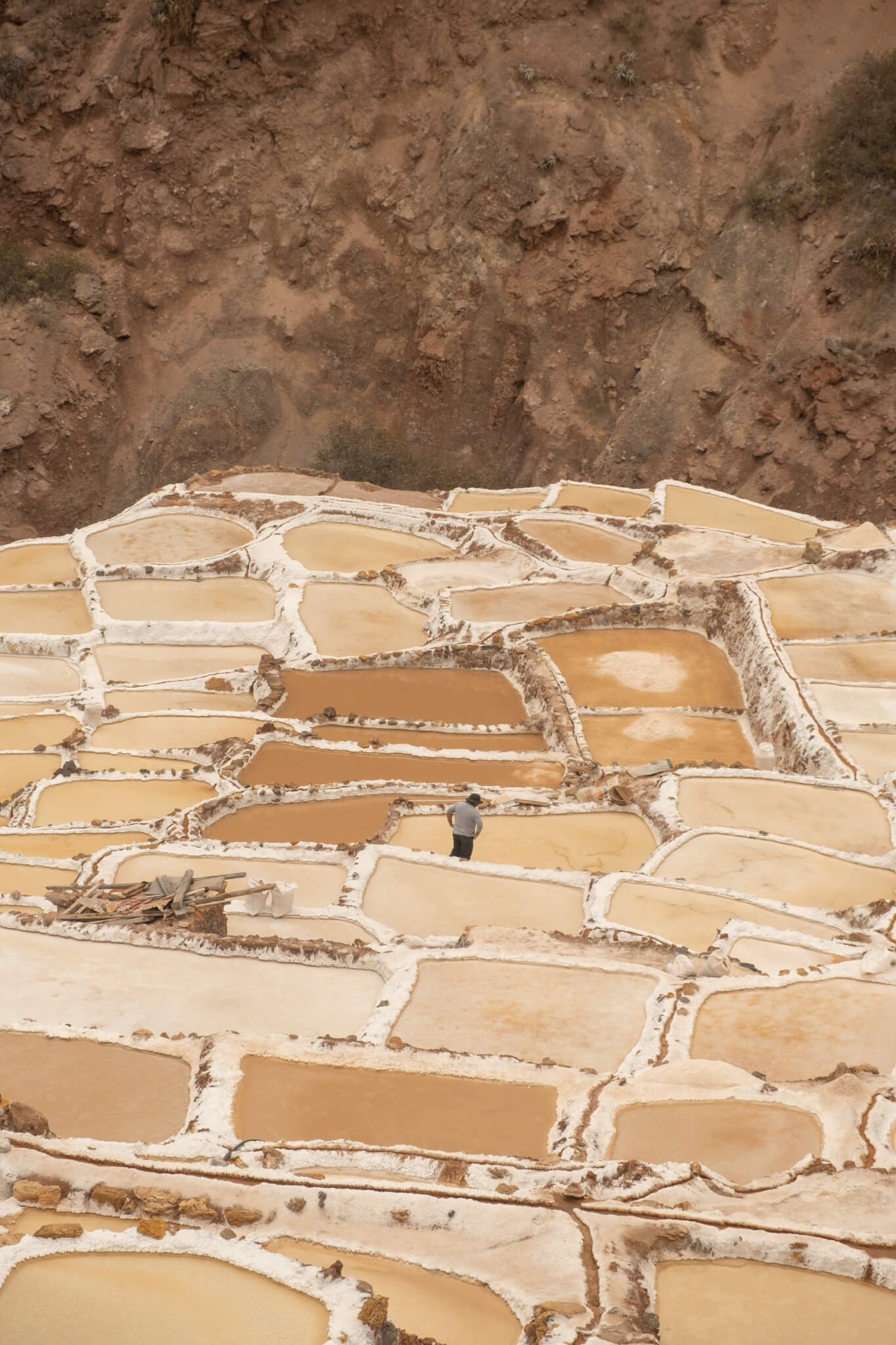
Optional: Depending on the timing of your day and how much you want to pack into your Peru itinerary, you can opt for a half-day trip to the Maras Salt mines today (or when you arrive back in Cusco after the Sacred Valley)
This will be quite a busy day, but I think it’s well worth it. The Maras Salt Mines (Salineras de Maras) are a terraced complex of thousands of ponds used to harvest salt located about 31 miles (50 km) from Cusco. Book a tour from Cusco to Maras Salt Mines here!
Where to Stay in Cusco
Here are a few accommodation options in Cusco depending on your budget.
- Novotel Cusco | Check availability here.
- Antigua Casona San Blas | Check availability here.
- Palacio del Inka | Check availability here.
- Casa Tunki | Check availability here.
Day 5: Sacred valley of the incas
Today is a full sightseeing day through the Sacred Valley, one of the most culturally and historically important regions in Peru. You can make some tweaks to this itinerary depending on what you prefer, but this is how I spent my long day through the Sacred Valley with EF Ultimate Break. I’ll also link a few tour options you can book below.
Alpaca & Vicuña Farm – Awana Kancha
We stopped at Awana Kancha in the Sacred Valley to learn about alpaca wool, see llamas and alpacas up close, and watch how natural dyes are used to color the wool. Vicuña wool is one of the most expensive textiles in the world, and we even got to see one! They are adorable.
Sacred Valley Viewpoint – Mirador Taray
A stunning panoramic view of the valley. It’s a common spot on organized tours because it’s directly on the main road between Cusco and Pisac and has the most incredible views of the Sacred Valley. It’s well worth a quick stop.
Pisac
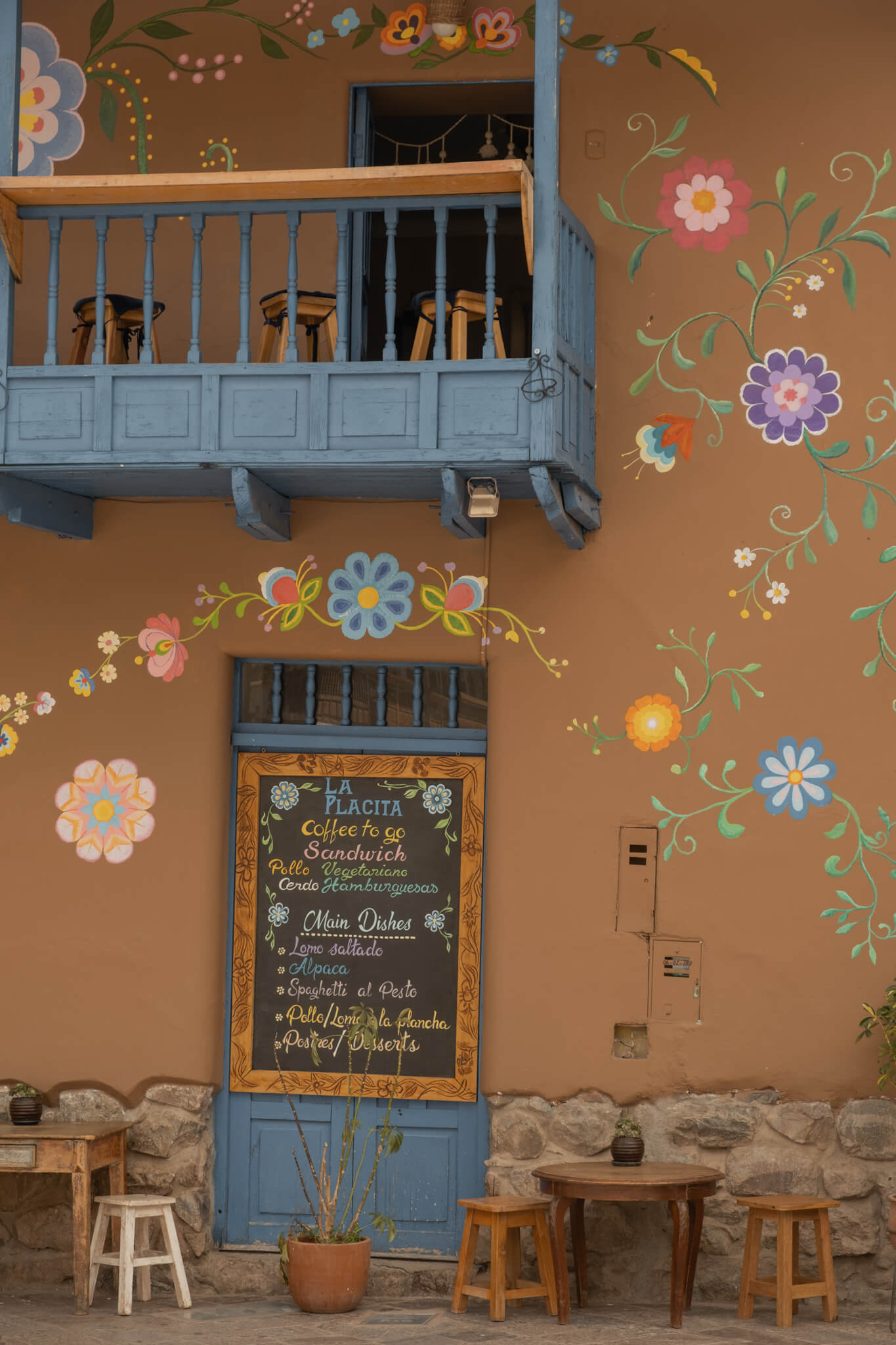
Pisac is one of the cutest towns in Peru, filled with colorful streets and handmade souvenirs. Grab an empanada while you’re here — Peru does them so well.
Ollantaytambo | Pinkuylluna Inca Granaries Hike
Next, for today, is a short hike with lots of steps. It’s not difficult, but the altitude definitely makes it feel much harder. I did this hike in a skirt, so it’s very doable. When you reach the top, you’ll get panoramic views over Ollantaytambo and the Sacred Valley. It should take you about an hour to an hour and a half total.
There are all sorts of different tours and transportation you can book through places like GetYourGuide and with local tour companies. For example, this is a full-day Sacred Valley tour from Cusco that includes a visit to Pisac and Ollantaytambo.
Overnight Near the Train Station
You’ll stay near the train station to Machu Picchu. There isn’t much around, but the location is convenient for an early start the next day. I’ve listed a few hotel options below:
- Tierra Viva Cusco Machu Picchu
- Casa Andina Standard Machu Picchu
- Inkaterra Machu Picchu Pueblo Hotel
- Jaya Machupicchu Boutique Hotel
Day 6: Machu Picchu
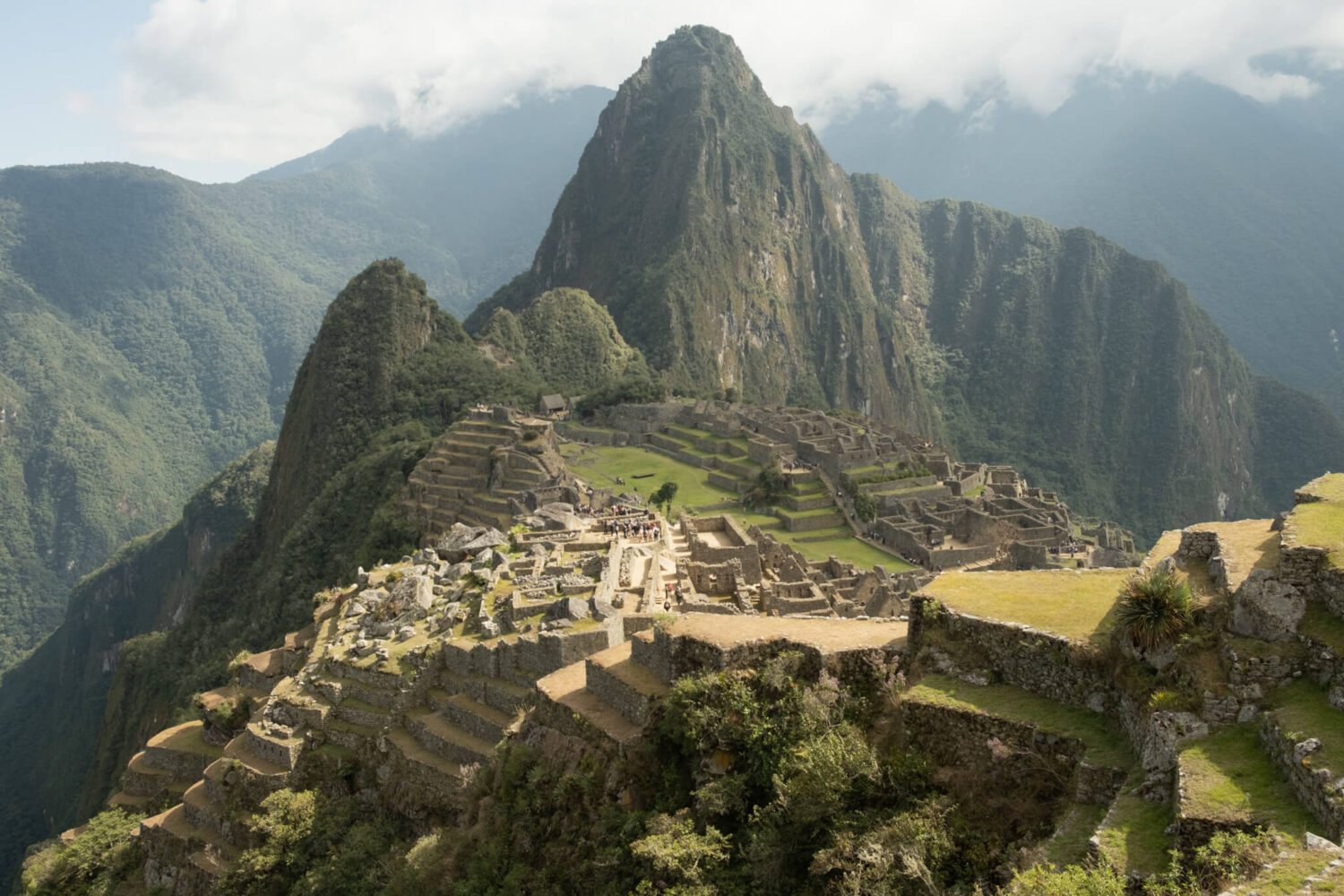
Today you’ll visit one of the Seven Wonders of the World, Machu Picchu! This was seriously one of the most surreal days.
How to Get to Machu Picchu?
There are two main ways to get to Machu Picchu. You can either hike the Inca Trail, which is a 4-day hike that must be booked months in advance, or take the train to Machu Picchu.
And because this is only a 10-day Peru itinerary, we unfortunately don’t have time for the hike. So, you’ll end up taking the train and bus. This is also the most common way to get to Machu Picchu.
You’ll take a train from the Sacred Valley to Aguas Calientes, which is Machu Picchu town. And from Aguas Calientes, you’ll take a bus up to Machu Picchu.
Keep in mind that train tickets sell out, especially in peak season, so if you are booking on your own instead of with a tour, make sure you book well in advance. The train ride itself is stunning — easily one of the prettiest I’ve ever taken.
Buy Machu Picchu tickets here ⛰️
Exploring Machu Picchu
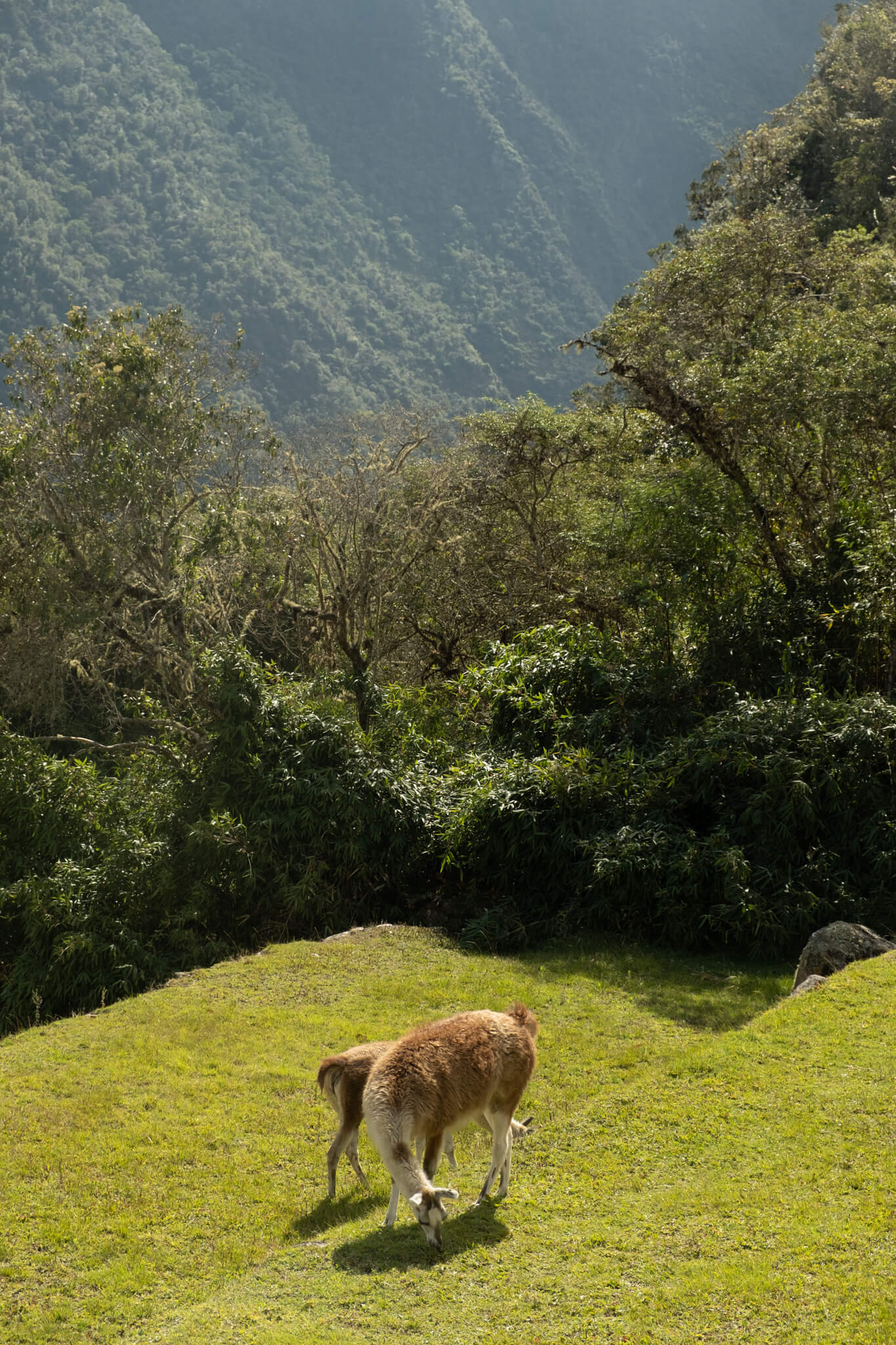
Once at the site, having a guide is 100% worth it. We spent a few hours exploring, learning the history, taking photos, and even saw llamas and wild chinchillas.
We were lucky with perfect weather and clear views, which made the experience unforgettable. Afterward, we chose to walk back down to Aguas Calientes — a long but very scenic walk (with some cute dogs tagging along!).
Where to Stay in Aguas Calientes
The town is tiny, so anywhere you stay will be walkable. Our hotel was simple but comfortable and perfectly located.
Find a place to stay in Aguas Calientes here.
Day 7: Return to Cusco (optional second visit to Machu Picchu)
Spend the morning in Aguas Calientes before heading back to Cusco in the afternoon.
If you can, it’s worth visiting Machu Picchu a second time using a different route or exploring without a guide. Since access will not be open to the public forever, I recommend soaking up every moment if time allows.
Before your journey back to Cusco, get a hot-stone massage in Aguas Calientes. They are known to be amazing here since there are so many hikers who come back from the long Inca Trail trek.
To be honest, with taking the train, there really wasn’t as much hiking as I had anticipated during this portion of the trip. Which was a nice surprise, although I think it would be cool to go back and hike the Inca Trail one day.
Day 8: Explore Cusco or Day trip
It’s day eight on this Peru itinerary, and we’re back in Cusco. So it’s time to squeeze in all the things we didn’t have time to do previously here.
Definitely take advantage of the delish coffee and cafe scene — I loved Cafe Macchiato. They had the cutest tables near windows overlooking the cobblestone streets. Great for people watching.
Something else I don’t think you should miss in Cusco is a Pisco Sour Workshop! You can learn to make the iconic Pisco Sours from scratch at Museo del Pisco. Click here to book a Pisco Sour workshop.
Optional: If you’re up for it, it would be an early morning, and you can do a day trip to Palcoyo Rainbow Mountain. This is a less crowded alternative to Rainbow Mountain. You can book a half-day or full-day tour from Cusco here. Keep in mind that the elevation is 16,000 ft (4,900m), and you will feel the elevation; you need to prepare your body accordingly.
Day 9: Fly Back to Lima
Fly back to Lima to end your trip. Since most international flights depart from here, it’s best to spend your final night in the city. Enjoy one last ceviche and pisco sour!
Day 10: Explore Lima and Fly Home
Spend your final day exploring anything you missed in Lima.
Optional: Day trip to Huacachina
If you have extra time, Huacachina is one of the most unique day trips from Lima — a desert oasis surrounded by massive dunes.
Most tours include:
- Early pickup (5–6 AM)
- Drive south to Paracas
- Ballestas Islands boat tour
- Dune buggies & sandboarding in Huacachina
Book a day trip to Huacachina Oasis from Lima here.
Tips for your trip to Peru
Book Your Machu Picchu Ticket in Advance
One of the most important things to do before your trip is to book your Machu Picchu ticket ahead of time. Entry tickets are limited each day and often sell out well in advance, especially during peak season.
Once you have your ticket secured, you’ll want to plan the rest of your Peru itinerary around it, including your train tickets and where you’ll stay the night before your visit.
Prepare for Altitude sickness
Altitude sickness is extremely common in places like Cusco, the Sacred Valley, and other high-altitude areas of Peru, and it can really put a damper on your trip if you’re not prepared. Start drinking more water than usual a few days before arriving and bring electrolyte packets to help stay hydrated.
It’s also best to avoid alcohol at first and take your first couple of days slow. I’ve put together a full guide on how to avoid altitude sickness in Cusco and Peru, including what actually works, which you can read here.
Group travel
Group travel isn’t for everyone, but I’m genuinely glad I chose it for Peru. I’ve solo-traveled in many countries, and would have felt safe doing so here, but Peru requires a lot of logistics—flights, trains, buses, and strict timing around Machu Picchu.
Traveling with a group took all the stress out of planning and allowed me to fully enjoy the experience. I traveled through Peru with EF Ultimate Break and absolutely loved it. You can check out the tour I did here.
Safety in Peru
I felt completely safe throughout my entire time in Peru. The country is generally very safe for travelers, especially in popular destinations like Lima, Cusco, and the Sacred Valley. As always, it’s important to use common sense, keep an eye on your belongings, and trust your instincts while traveling.
Pack Layers
No matter what time of year you visit Peru, packing layers is essential. I traveled in late August and found the weather to be mild overall, but temperatures varied a lot throughout the day, especially in Cusco and the Sacred Valley.
Warm afternoons often turned into chilly evenings once the sun went down. Lightweight long sleeves, a light jacket, and versatile layers you can easily add or remove will make a big difference. If you forget something, don’t worry—Cusco has plenty of shops where you can pick things up.
Must-Try Peruvian Foods
Peruvian food is incredible and a huge highlight of the trip. You can’t visit without trying ceviche, especially along the coast in Lima, where it’s incredibly fresh.
Lomo Saltado is another classic dish and a favorite for good reason. If you’re feeling adventurous, alpaca steak is also worth trying.
Download Google Translate
After visiting 50+ countries, I found that language barriers were most noticeable for me in South America, particularly in Spanish-speaking countries like Peru. Downloading Google Translate ahead of time and enabling offline Spanish is a lifesaver.
Brushing up on basic Spanish with Duolingo before your trip also goes a long way and is always appreciated by locals.
Prepare for lots of transportation
Visiting Peru involves a lot of travel time, whether that’s long bus rides, scenic train journeys, or short internal flights. Being prepared makes these days much more enjoyable.
I always travel with motion sickness meds just in case, along with peppermint oil or Tiger Balm, which both help with nausea. Downloading podcasts, music, or books ahead of time also makes long travel days pass much faster.
FAQ | 10 Day Peru Itinerary
How many days are enough for Peru?
If you want to see the highlights of Peru, 10 days is definitely the sweet spot. This gives you enough time to experience both the coast and the mountains. Spend a few days in Lima for food and culture, then head up to Cusco, the Sacred Valley, and Machu Picchu without feeling rushed.
You can technically do Peru in less time, but 10 days allow for acclimating to the altitude, some slower travel days, and some amazing day/or half-day trips.
What is the best month to travel to Peru?
The best time to visit Peru is during the dry season, from May to September. June-August is the most popular time to visit Peru. During these months, you should have perfect weather and clear skies in Cusco and around Machu Picchu, which is ideal for hiking and sightseeing.
That said, because this is the most popular time, it can be busy. Shoulder season, on the other hand, is a perfect time to visit Peru. (April-May and September-October). During this time, you’ll notice fewer crowds, better prices, and still the weather will be great.
The rainy season in Peru is from November to March, and heavy rainfall in the mountains can affect travel. If you are set on seeing Machu Picchu with clear skies, I would avoid this time.
Where to stay in Peru?
If you’re sticking to the highlights, I recommend staying:
- Lima (2-3 nights)
- Cusco (2-3 nights)
- The Sacred Valley (2-3 nights)
- Machu Picchu Town (Aguas Calientes) (1 night)
If you stick to this route, it will make acclimating to the altitude much easier and break up travel days. Many popular spots like Moray, Maras Salt Mines, Rainbow Mountain, or even Huacachina can easily be done as day trips, so you don’t need to change hotels constantly unless you want to.
Should I go to Sacred Valley or Machu Picchu first?
If you’re deciding between the Sacred Valley or Machu Picchu first, I recommend starting with the Sacred Valley. It’s lower in elevation, which helps with altitude adjustment, and it makes the trip feel more relaxed.
Most travelers go from Cusco to the Sacred Valley to Machu Picchu, which also makes Machu Picchu feel like the highlight at the end of your trip.
How expensive is a trip to Peru?
Peru is still very affordable compared to places like the US or Australia, but costs can add up due to transportation. Trains to Machu Picchu, internal flights, and entrance fees are the biggest expenses.
I found Peru slightly more expensive than Colombia and Guatemala, but food, accommodation, and tours are generally well-priced, making it pretty affordable overall.
Peru trip itinerary map
Here is a map with all the spots mentioned in this guide. I’ve included everything from the small towns, my favorite cafes, and things to see that you can’t miss on this itinerary.
I hope this 10-day Peru itinerary helped plan your trip! Keep an eye out on the blog for more Peru guides covering each city in more detail. If you have any questions, feel free to comment below or DM me on Instagram.
Travel Insurance
Travel medical insurance is essential for every trip. This can save you time, money, and a lot of stress on the road. I love using SafetyWing for travel insurance. SafetyWing offers affordable and flexible travel medical insurance coverage. You can enter your details below for a free quote.
Recommended Tours in Peru
Like this post? Pin it to save for later!
Want to Support?
I always appreciate it when friends and family reach out wanting to support Syd Abroad. If you’d like to support the blog, here are a few brands that I am affiliated with. All you do is click the links, and I will receive a small commission at no extra cost to you!